This is an interactive map! Use controls to pan and zoom this map.
Access
|
English (Translate this text in English): The wreck of Yongala lies within the central section of the Great Barrier Reef Marine Park. It is approximately 48 nautical miles (89 km) south east of Townsville and 12 nautical miles (22 km) east of Cape Bowling Green.
By boat: about 3hrs from Townsville.
English (Translate this text in English): The wreck of Yongala lies within the central section of the Great Barrier Reef Marine Park. It is approximately 48 nautical miles (89 km) south east of Townsville and 12 nautical miles (22 km) east of Cape Bowling Green.
By boat: about 3hrs from Townsville.
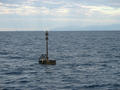
The wreck of Yongala lies within the central section of the Great Barrier Reef Marine Park. It is approximately 48 nautical miles (89 km) south east of Townsville and 12 nautical miles (22 km) east of Cape Bowling Green.
By boat: about 3hrs from Townsville.
English (Translate this text in English): The wreck of Yongala lies within the central section of the Great Barrier Reef Marine Park. It is approximately 48 nautical miles (89 km) south east of Townsville and 12 nautical miles (22 km) east of Cape Bowling Green.
By boat: about 3hrs from Townsville.
English (Translate this text in English): The wreck of Yongala lies within the central section of the Great Barrier Reef Marine Park. It is approximately 48 nautical miles (89 km) south east of Townsville and 12 nautical miles (22 km) east of Cape Bowling Green.
By boat: about 3hrs from Townsville.
English (Translate this text in English): The wreck of Yongala lies within the central section of the Great Barrier Reef Marine Park. It is approximately 48 nautical miles (89 km) south east of Townsville and 12 nautical miles (22 km) east of Cape Bowling Green.
By boat: about 3hrs from Townsville.
English (Translate this text in English): The wreck of Yongala lies within the central section of the Great Barrier Reef Marine Park. It is approximately 48 nautical miles (89 km) south east of Townsville and 12 nautical miles (22 km) east of Cape Bowling Green.
By boat: about 3hrs from Townsville.
English (Translate this text in English): The wreck of Yongala lies within the central section of the Great Barrier Reef Marine Park. It is approximately 48 nautical miles (89 km) south east of Townsville and 12 nautical miles (22 km) east of Cape Bowling Green.
By boat: about 3hrs from Townsville.
English (Translate this text in English): The wreck of Yongala lies within the central section of the Great Barrier Reef Marine Park. It is approximately 48 nautical miles (89 km) south east of Townsville and 12 nautical miles (22 km) east of Cape Bowling Green.
By boat: about 3hrs from Townsville.
How? By boat
Distance Long boat time (> 30min)
Easy to find? Easy to find
|
|
Dive site Characteristics
Average depth 25 m / 82 ft
Max depth 30 m / 98.4 ft
Current Low ( < 1 knot)
Visibility Good ( 10 - 30 m)
Quality
Dive site quality Great
Experience CMAS ** / AOW
Bio interest Outstanding
More details
Week crowd
Week-end crowd
Dive type
- Wreck
- Deep
- Sharks
- Big fishes
- Ambiance
Dive site activities
- Marine biology
- Photography
Dangers
- Depth
Additional Information
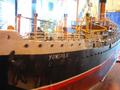
English (Translate this text in English): SS Yongala was a steel passenger and freight steamer, owned by the Adelaide Steamship Company. SS Yongala and her sistership, Grantala, were built in Newcastle upon Tyne, England between 1903 - 1904 Yongala was named after the town Yongala, in South Australia.
En route from Melbourne to Cairns on the night of 23 March 1911, she steamed into a cyclone and sank without a trace until during WWII when the wreck was located outside Townsville, Australia. The actual cause of the sinking remains a mystery.
Grantala avoided the force of the cyclone in shelter of the nearby Cape Bowling Green. Yongala would probably not have suffered this tragedy had it had installed a wireless radio that could have warned them about the imminent danger. Ironically Yongala was due for a refit in Cairns, including installing a radio, at the end of her last journey.
124 passengers and crew were on the manifest. Children were usually not included, so the actual numbers were most likely higher. All passengers and crew perished along with a prize bull and a race horse named 'Moonshine'.
Located as an 'unidentified wreck' during WWII, she was rediscovered in 1958 and positively identified by a serial number on a Chubb strongbox in 1961.
The wreck of Yongala is 109 meters in length. The bow points in a northerly direction (347º), and although it lies listing to starboard at an angle of between 60º - 70º, the vessel's structural integrity has been retained. The depth of water to the sea floor is approximately 30 metres, with the upper sections of the wreck 16 meters below the surface.
The wreck has become an established artificial reef, providing a structurally complex habitat for a diverse range of marine life. The sea floor surrounding the wreck is open and sandy.
In 1981 the wreck was sketched by marine biologist Leon Zann. Although the superstructure of the wreck remains intact and very much like this sketch, the significant build up of sand around the starboard side of the vessel has been scoured away, and the ventilators and railings have collapsed.
The wreck of Yongala lies within the central section of the Great Barrier Reef Marine Park. It is approximately 48 nautical miles (89 km) south east of Townsville and 12 nautical miles (22 km) east of Cape Bowling Green. SS Yongala is today a major tourist attraction for the dive industry in Townsville.
In late 2002, the site had several moorings installed to ensure that no more impact damage occurs by careless anchoring practices. A policy of 'No Anchoring' was also introduced within the protected zone following the installation of the moorings. The wreck is protected under the Historic Shipwrecks Act 1976 and is managed through the Museum of Tropical Queensland, Townsville. Penetration diving and interference with artefacts is prohibited under the terms of the Act. Access to the site is through permit only, obtainable from the Maritime Archaeology Section of the Museum of Tropical Queensland.
Source: Wikipedia
English (Translate this text in English): SS Yongala was a steel passenger and freight steamer, owned by the Adelaide Steamship Company. SS Yongala and her sistership, Grantala, were built in Newcastle upon Tyne, England between 1903 - 1904 Yongala was named after the town Yongala, in South Australia.
En route from Melbourne to Cairns on the night of 23 March 1911, she steamed into a cyclone and sank without a trace until during WWII when the wreck was located outside Townsville, Australia. The actual cause of the sinking remains a mystery.
Grantala avoided the force of the cyclone in shelter of the nearby Cape Bowling Green. Yongala would probably not have suffered this tragedy had it had installed a wireless radio that could have warned them about the imminent danger. Ironically Yongala was due for a refit in Cairns, including installing a radio, at the end of her last journey.
124 passengers and crew were on the manifest. Children were usually not included, so the actual numbers were most likely higher. All passengers and crew perished along with a prize bull and a race horse named 'Moonshine'.
Located as an 'unidentified wreck' during WWII, she was rediscovered in 1958 and positively identified by a serial number on a Chubb strongbox in 1961.
The wreck of Yongala is 109 meters in length. The bow points in a northerly direction (347º), and although it lies listing to starboard at an angle of between 60º - 70º, the vessel's structural integrity has been retained. The depth of water to the sea floor is approximately 30 metres, with the upper sections of the wreck 16 meters below the surface.
The wreck has become an established artificial reef, providing a structurally complex habitat for a diverse range of marine life. The sea floor surrounding the wreck is open and sandy.
In 1981 the wreck was sketched by marine biologist Leon Zann. Although the superstructure of the wreck remains intact and very much like this sketch, the significant build up of sand around the starboard side of the vessel has been scoured away, and the ventilators and railings have collapsed.
The wreck of Yongala lies within the central section of the Great Barrier Reef Marine Park. It is approximately 48 nautical miles (89 km) south east of Townsville and 12 nautical miles (22 km) east of Cape Bowling Green. SS Yongala is today a major tourist attraction for the dive industry in Townsville.
In late 2002, the site had several moorings installed to ensure that no more impact damage occurs by careless anchoring practices. A policy of 'No Anchoring' was also introduced within the protected zone following the installation of the moorings. The wreck is protected under the Historic Shipwrecks Act 1976 and is managed through the Museum of Tropical Queensland, Townsville. Penetration diving and interference with artefacts is prohibited under the terms of the Act. Access to the site is through permit only, obtainable from the Maritime Archaeology Section of the Museum of Tropical Queensland.
Source: Wikipedia
SS Yongala was a steel passenger and freight steamer, owned by the Adelaide Steamship Company. SS Yongala and her sistership, Grantala, were built in Newcastle upon Tyne, England between 1903 - 1904 Yongala was named after the town Yongala, in South Australia.
En route from Melbourne to Cairns on the night of 23 March 1911, she steamed into a cyclone and sank without a trace until during WWII when the wreck was located outside Townsville, Australia. The actual cause of the sinking remains a mystery.
Grantala avoided the force of the cyclone in shelter of the nearby Cape Bowling Green. Yongala would probably not have suffered this tragedy had it had installed a wireless radio that could have warned them about the imminent danger. Ironically Yongala was due for a refit in Cairns, including installing a radio, at the end of her last journey.
124 passengers and crew were on the manifest. Children were usually not included, so the actual numbers were most likely higher. All passengers and crew perished along with a prize bull and a race horse named 'Moonshine'.
Located as an 'unidentified wreck' during WWII, she was rediscovered in 1958 and positively identified by a serial number on a Chubb strongbox in 1961.
The wreck of Yongala is 109 meters in length. The bow points in a northerly direction (347º), and although it lies listing to starboard at an angle of between 60º - 70º, the vessel's structural integrity has been retained. The depth of water to the sea floor is approximately 30 metres, with the upper sections of the wreck 16 meters below the surface.
The wreck has become an established artificial reef, providing a structurally complex habitat for a diverse range of marine life. The sea floor surrounding the wreck is open and sandy.
In 1981 the wreck was sketched by marine biologist Leon Zann. Although the superstructure of the wreck remains intact and very much like this sketch, the significant build up of sand around the starboard side of the vessel has been scoured away, and the ventilators and railings have collapsed.
The wreck of Yongala lies within the central section of the Great Barrier Reef Marine Park. It is approximately 48 nautical miles (89 km) south east of Townsville and 12 nautical miles (22 km) east of Cape Bowling Green. SS Yongala is today a major tourist attraction for the dive industry in Townsville.
In late 2002, the site had several moorings installed to ensure that no more impact damage occurs by careless anchoring practices. A policy of 'No Anchoring' was also introduced within the protected zone following the installation of the moorings. The wreck is protected under the Historic Shipwrecks Act 1976 and is managed through the Museum of Tropical Queensland, Townsville. Penetration diving and interference with artefacts is prohibited under the terms of the Act. Access to the site is through permit only, obtainable from the Maritime Archaeology Section of the Museum of Tropical Queensland.
Source: Wikipedia
English (Translate this text in English): SS Yongala was a steel passenger and freight steamer, owned by the Adelaide Steamship Company. SS Yongala and her sistership, Grantala, were built in Newcastle upon Tyne, England between 1903 - 1904 Yongala was named after the town Yongala, in South Australia.
En route from Melbourne to Cairns on the night of 23 March 1911, she steamed into a cyclone and sank without a trace until during WWII when the wreck was located outside Townsville, Australia. The actual cause of the sinking remains a mystery.
Grantala avoided the force of the cyclone in shelter of the nearby Cape Bowling Green. Yongala would probably not have suffered this tragedy had it had installed a wireless radio that could have warned them about the imminent danger. Ironically Yongala was due for a refit in Cairns, including installing a radio, at the end of her last journey.
124 passengers and crew were on the manifest. Children were usually not included, so the actual numbers were most likely higher. All passengers and crew perished along with a prize bull and a race horse named 'Moonshine'.
Located as an 'unidentified wreck' during WWII, she was rediscovered in 1958 and positively identified by a serial number on a Chubb strongbox in 1961.
The wreck of Yongala is 109 meters in length. The bow points in a northerly direction (347º), and although it lies listing to starboard at an angle of between 60º - 70º, the vessel's structural integrity has been retained. The depth of water to the sea floor is approximately 30 metres, with the upper sections of the wreck 16 meters below the surface.
The wreck has become an established artificial reef, providing a structurally complex habitat for a diverse range of marine life. The sea floor surrounding the wreck is open and sandy.
In 1981 the wreck was sketched by marine biologist Leon Zann. Although the superstructure of the wreck remains intact and very much like this sketch, the significant build up of sand around the starboard side of the vessel has been scoured away, and the ventilators and railings have collapsed.
The wreck of Yongala lies within the central section of the Great Barrier Reef Marine Park. It is approximately 48 nautical miles (89 km) south east of Townsville and 12 nautical miles (22 km) east of Cape Bowling Green. SS Yongala is today a major tourist attraction for the dive industry in Townsville.
In late 2002, the site had several moorings installed to ensure that no more impact damage occurs by careless anchoring practices. A policy of 'No Anchoring' was also introduced within the protected zone following the installation of the moorings. The wreck is protected under the Historic Shipwrecks Act 1976 and is managed through the Museum of Tropical Queensland, Townsville. Penetration diving and interference with artefacts is prohibited under the terms of the Act. Access to the site is through permit only, obtainable from the Maritime Archaeology Section of the Museum of Tropical Queensland.
Source: Wikipedia
English (Translate this text in English): SS Yongala was a steel passenger and freight steamer, owned by the Adelaide Steamship Company. SS Yongala and her sistership, Grantala, were built in Newcastle upon Tyne, England between 1903 - 1904 Yongala was named after the town Yongala, in South Australia.
En route from Melbourne to Cairns on the night of 23 March 1911, she steamed into a cyclone and sank without a trace until during WWII when the wreck was located outside Townsville, Australia. The actual cause of the sinking remains a mystery.
Grantala avoided the force of the cyclone in shelter of the nearby Cape Bowling Green. Yongala would probably not have suffered this tragedy had it had installed a wireless radio that could have warned them about the imminent danger. Ironically Yongala was due for a refit in Cairns, including installing a radio, at the end of her last journey.
124 passengers and crew were on the manifest. Children were usually not included, so the actual numbers were most likely higher. All passengers and crew perished along with a prize bull and a race horse named 'Moonshine'.
Located as an 'unidentified wreck' during WWII, she was rediscovered in 1958 and positively identified by a serial number on a Chubb strongbox in 1961.
The wreck of Yongala is 109 meters in length. The bow points in a northerly direction (347º), and although it lies listing to starboard at an angle of between 60º - 70º, the vessel's structural integrity has been retained. The depth of water to the sea floor is approximately 30 metres, with the upper sections of the wreck 16 meters below the surface.
The wreck has become an established artificial reef, providing a structurally complex habitat for a diverse range of marine life. The sea floor surrounding the wreck is open and sandy.
In 1981 the wreck was sketched by marine biologist Leon Zann. Although the superstructure of the wreck remains intact and very much like this sketch, the significant build up of sand around the starboard side of the vessel has been scoured away, and the ventilators and railings have collapsed.
The wreck of Yongala lies within the central section of the Great Barrier Reef Marine Park. It is approximately 48 nautical miles (89 km) south east of Townsville and 12 nautical miles (22 km) east of Cape Bowling Green. SS Yongala is today a major tourist attraction for the dive industry in Townsville.
In late 2002, the site had several moorings installed to ensure that no more impact damage occurs by careless anchoring practices. A policy of 'No Anchoring' was also introduced within the protected zone following the installation of the moorings. The wreck is protected under the Historic Shipwrecks Act 1976 and is managed through the Museum of Tropical Queensland, Townsville. Penetration diving and interference with artefacts is prohibited under the terms of the Act. Access to the site is through permit only, obtainable from the Maritime Archaeology Section of the Museum of Tropical Queensland.
Source: Wikipedia
English (Translate this text in English): SS Yongala was a steel passenger and freight steamer, owned by the Adelaide Steamship Company. SS Yongala and her sistership, Grantala, were built in Newcastle upon Tyne, England between 1903 - 1904 Yongala was named after the town Yongala, in South Australia.
En route from Melbourne to Cairns on the night of 23 March 1911, she steamed into a cyclone and sank without a trace until during WWII when the wreck was located outside Townsville, Australia. The actual cause of the sinking remains a mystery.
Grantala avoided the force of the cyclone in shelter of the nearby Cape Bowling Green. Yongala would probably not have suffered this tragedy had it had installed a wireless radio that could have warned them about the imminent danger. Ironically Yongala was due for a refit in Cairns, including installing a radio, at the end of her last journey.
124 passengers and crew were on the manifest. Children were usually not included, so the actual numbers were most likely higher. All passengers and crew perished along with a prize bull and a race horse named 'Moonshine'.
Located as an 'unidentified wreck' during WWII, she was rediscovered in 1958 and positively identified by a serial number on a Chubb strongbox in 1961.
The wreck of Yongala is 109 meters in length. The bow points in a northerly direction (347º), and although it lies listing to starboard at an angle of between 60º - 70º, the vessel's structural integrity has been retained. The depth of water to the sea floor is approximately 30 metres, with the upper sections of the wreck 16 meters below the surface.
The wreck has become an established artificial reef, providing a structurally complex habitat for a diverse range of marine life. The sea floor surrounding the wreck is open and sandy.
In 1981 the wreck was sketched by marine biologist Leon Zann. Although the superstructure of the wreck remains intact and very much like this sketch, the significant build up of sand around the starboard side of the vessel has been scoured away, and the ventilators and railings have collapsed.
The wreck of Yongala lies within the central section of the Great Barrier Reef Marine Park. It is approximately 48 nautical miles (89 km) south east of Townsville and 12 nautical miles (22 km) east of Cape Bowling Green. SS Yongala is today a major tourist attraction for the dive industry in Townsville.
In late 2002, the site had several moorings installed to ensure that no more impact damage occurs by careless anchoring practices. A policy of 'No Anchoring' was also introduced within the protected zone following the installation of the moorings. The wreck is protected under the Historic Shipwrecks Act 1976 and is managed through the Museum of Tropical Queensland, Townsville. Penetration diving and interference with artefacts is prohibited under the terms of the Act. Access to the site is through permit only, obtainable from the Maritime Archaeology Section of the Museum of Tropical Queensland.
Source: Wikipedia
English (Translate this text in English): SS Yongala was a steel passenger and freight steamer, owned by the Adelaide Steamship Company. SS Yongala and her sistership, Grantala, were built in Newcastle upon Tyne, England between 1903 - 1904 Yongala was named after the town Yongala, in South Australia.
En route from Melbourne to Cairns on the night of 23 March 1911, she steamed into a cyclone and sank without a trace until during WWII when the wreck was located outside Townsville, Australia. The actual cause of the sinking remains a mystery.
Grantala avoided the force of the cyclone in shelter of the nearby Cape Bowling Green. Yongala would probably not have suffered this tragedy had it had installed a wireless radio that could have warned them about the imminent danger. Ironically Yongala was due for a refit in Cairns, including installing a radio, at the end of her last journey.
124 passengers and crew were on the manifest. Children were usually not included, so the actual numbers were most likely higher. All passengers and crew perished along with a prize bull and a race horse named 'Moonshine'.
Located as an 'unidentified wreck' during WWII, she was rediscovered in 1958 and positively identified by a serial number on a Chubb strongbox in 1961.
The wreck of Yongala is 109 meters in length. The bow points in a northerly direction (347º), and although it lies listing to starboard at an angle of between 60º - 70º, the vessel's structural integrity has been retained. The depth of water to the sea floor is approximately 30 metres, with the upper sections of the wreck 16 meters below the surface.
The wreck has become an established artificial reef, providing a structurally complex habitat for a diverse range of marine life. The sea floor surrounding the wreck is open and sandy.
In 1981 the wreck was sketched by marine biologist Leon Zann. Although the superstructure of the wreck remains intact and very much like this sketch, the significant build up of sand around the starboard side of the vessel has been scoured away, and the ventilators and railings have collapsed.
The wreck of Yongala lies within the central section of the Great Barrier Reef Marine Park. It is approximately 48 nautical miles (89 km) south east of Townsville and 12 nautical miles (22 km) east of Cape Bowling Green. SS Yongala is today a major tourist attraction for the dive industry in Townsville.
In late 2002, the site had several moorings installed to ensure that no more impact damage occurs by careless anchoring practices. A policy of 'No Anchoring' was also introduced within the protected zone following the installation of the moorings. The wreck is protected under the Historic Shipwrecks Act 1976 and is managed through the Museum of Tropical Queensland, Townsville. Penetration diving and interference with artefacts is prohibited under the terms of the Act. Access to the site is through permit only, obtainable from the Maritime Archaeology Section of the Museum of Tropical Queensland.
Source: Wikipedia
English (Translate this text in English): SS Yongala was a steel passenger and freight steamer, owned by the Adelaide Steamship Company. SS Yongala and her sistership, Grantala, were built in Newcastle upon Tyne, England between 1903 - 1904 Yongala was named after the town Yongala, in South Australia.
En route from Melbourne to Cairns on the night of 23 March 1911, she steamed into a cyclone and sank without a trace until during WWII when the wreck was located outside Townsville, Australia. The actual cause of the sinking remains a mystery.
Grantala avoided the force of the cyclone in shelter of the nearby Cape Bowling Green. Yongala would probably not have suffered this tragedy had it had installed a wireless radio that could have warned them about the imminent danger. Ironically Yongala was due for a refit in Cairns, including installing a radio, at the end of her last journey.
124 passengers and crew were on the manifest. Children were usually not included, so the actual numbers were most likely higher. All passengers and crew perished along with a prize bull and a race horse named 'Moonshine'.
Located as an 'unidentified wreck' during WWII, she was rediscovered in 1958 and positively identified by a serial number on a Chubb strongbox in 1961.
The wreck of Yongala is 109 meters in length. The bow points in a northerly direction (347º), and although it lies listing to starboard at an angle of between 60º - 70º, the vessel's structural integrity has been retained. The depth of water to the sea floor is approximately 30 metres, with the upper sections of the wreck 16 meters below the surface.
The wreck has become an established artificial reef, providing a structurally complex habitat for a diverse range of marine life. The sea floor surrounding the wreck is open and sandy.
In 1981 the wreck was sketched by marine biologist Leon Zann. Although the superstructure of the wreck remains intact and very much like this sketch, the significant build up of sand around the starboard side of the vessel has been scoured away, and the ventilators and railings have collapsed.
The wreck of Yongala lies within the central section of the Great Barrier Reef Marine Park. It is approximately 48 nautical miles (89 km) south east of Townsville and 12 nautical miles (22 km) east of Cape Bowling Green. SS Yongala is today a major tourist attraction for the dive industry in Townsville.
In late 2002, the site had several moorings installed to ensure that no more impact damage occurs by careless anchoring practices. A policy of 'No Anchoring' was also introduced within the protected zone following the installation of the moorings. The wreck is protected under the Historic Shipwrecks Act 1976 and is managed through the Museum of Tropical Queensland, Townsville. Penetration diving and interference with artefacts is prohibited under the terms of the Act. Access to the site is through permit only, obtainable from the Maritime Archaeology Section of the Museum of Tropical Queensland.
Source: Wikipedia
English (Translate this text in English): SS Yongala was a steel passenger and freight steamer, owned by the Adelaide Steamship Company. SS Yongala and her sistership, Grantala, were built in Newcastle upon Tyne, England between 1903 - 1904 Yongala was named after the town Yongala, in South Australia.
En route from Melbourne to Cairns on the night of 23 March 1911, she steamed into a cyclone and sank without a trace until during WWII when the wreck was located outside Townsville, Australia. The actual cause of the sinking remains a mystery.
Grantala avoided the force of the cyclone in shelter of the nearby Cape Bowling Green. Yongala would probably not have suffered this tragedy had it had installed a wireless radio that could have warned them about the imminent danger. Ironically Yongala was due for a refit in Cairns, including installing a radio, at the end of her last journey.
124 passengers and crew were on the manifest. Children were usually not included, so the actual numbers were most likely higher. All passengers and crew perished along with a prize bull and a race horse named 'Moonshine'.
Located as an 'unidentified wreck' during WWII, she was rediscovered in 1958 and positively identified by a serial number on a Chubb strongbox in 1961.
The wreck of Yongala is 109 meters in length. The bow points in a northerly direction (347º), and although it lies listing to starboard at an angle of between 60º - 70º, the vessel's structural integrity has been retained. The depth of water to the sea floor is approximately 30 metres, with the upper sections of the wreck 16 meters below the surface.
The wreck has become an established artificial reef, providing a structurally complex habitat for a diverse range of marine life. The sea floor surrounding the wreck is open and sandy.
In 1981 the wreck was sketched by marine biologist Leon Zann. Although the superstructure of the wreck remains intact and very much like this sketch, the significant build up of sand around the starboard side of the vessel has been scoured away, and the ventilators and railings have collapsed.
The wreck of Yongala lies within the central section of the Great Barrier Reef Marine Park. It is approximately 48 nautical miles (89 km) south east of Townsville and 12 nautical miles (22 km) east of Cape Bowling Green. SS Yongala is today a major tourist attraction for the dive industry in Townsville.
In late 2002, the site had several moorings installed to ensure that no more impact damage occurs by careless anchoring practices. A policy of 'No Anchoring' was also introduced within the protected zone following the installation of the moorings. The wreck is protected under the Historic Shipwrecks Act 1976 and is managed through the Museum of Tropical Queensland, Townsville. Penetration diving and interference with artefacts is prohibited under the terms of the Act. Access to the site is through permit only, obtainable from the Maritime Archaeology Section of the Museum of Tropical Queensland.
Source: Wikipedia
 Comments
Please login to use this tool.
No account yet? Register first; it's free!
Show all (0)...
Be the first to comment this country
Errors, Feedback
You can edit this page to correct errors or add new information. If you have any problems regarding this page, Send us feedback.
 English
 Català
 Deutsch
 Español
 Français
 Italiano
 Nederlands
 Polski
 Português


 SS Yongala